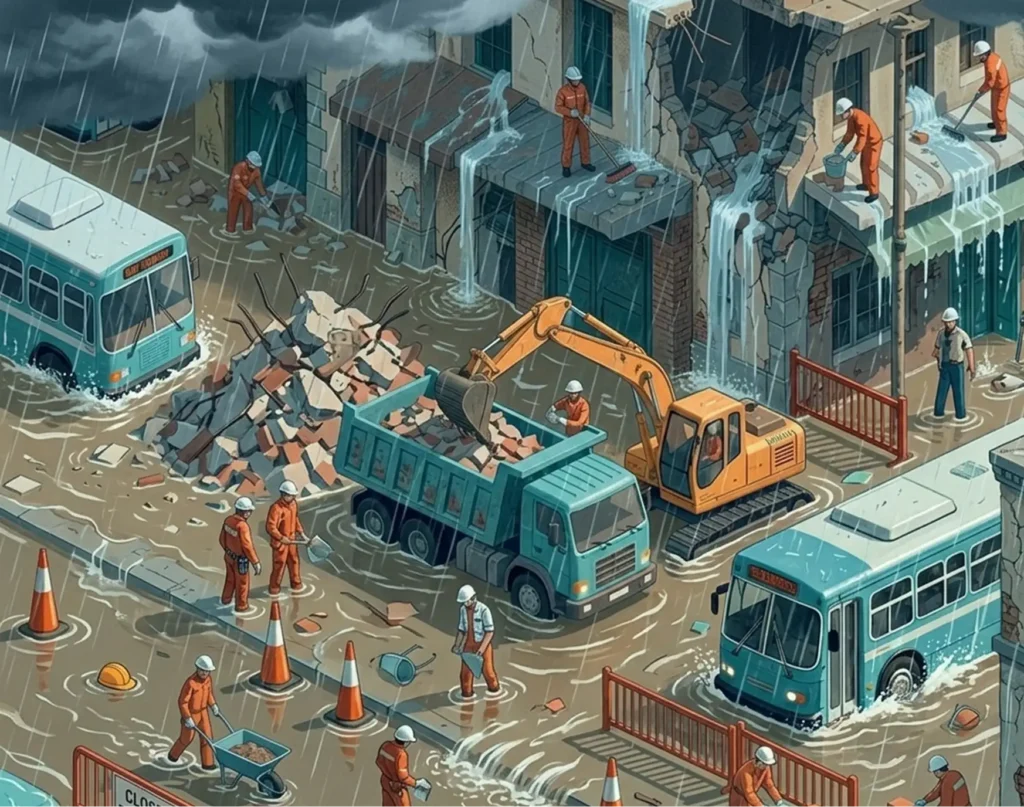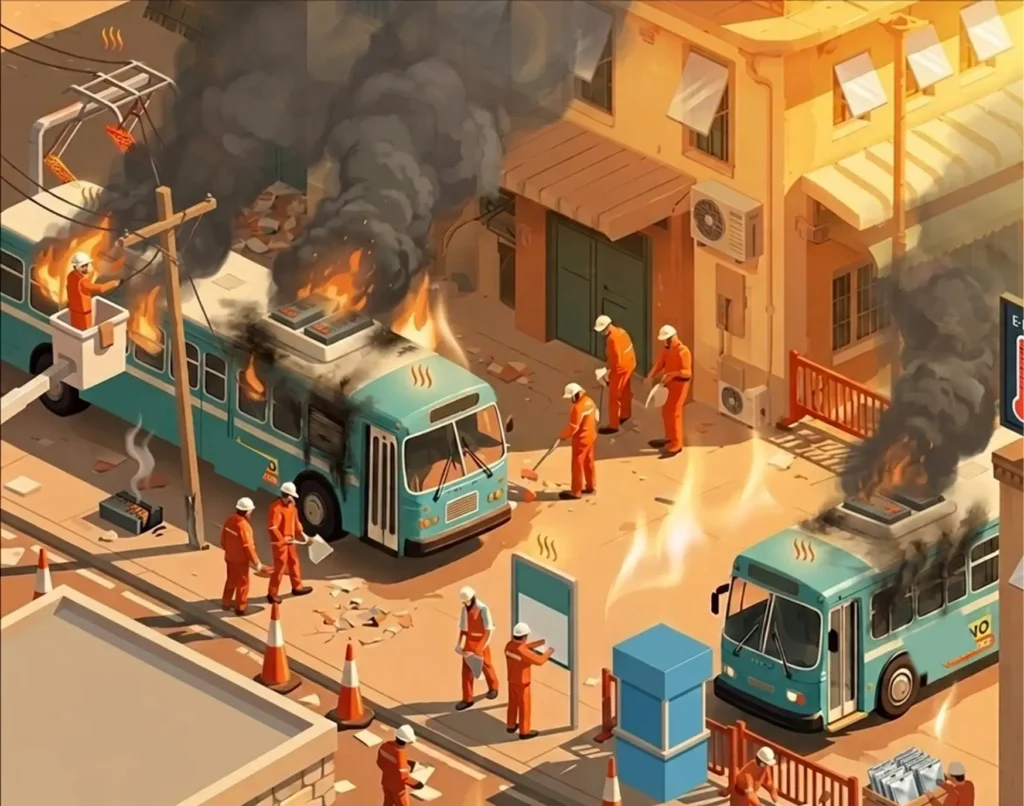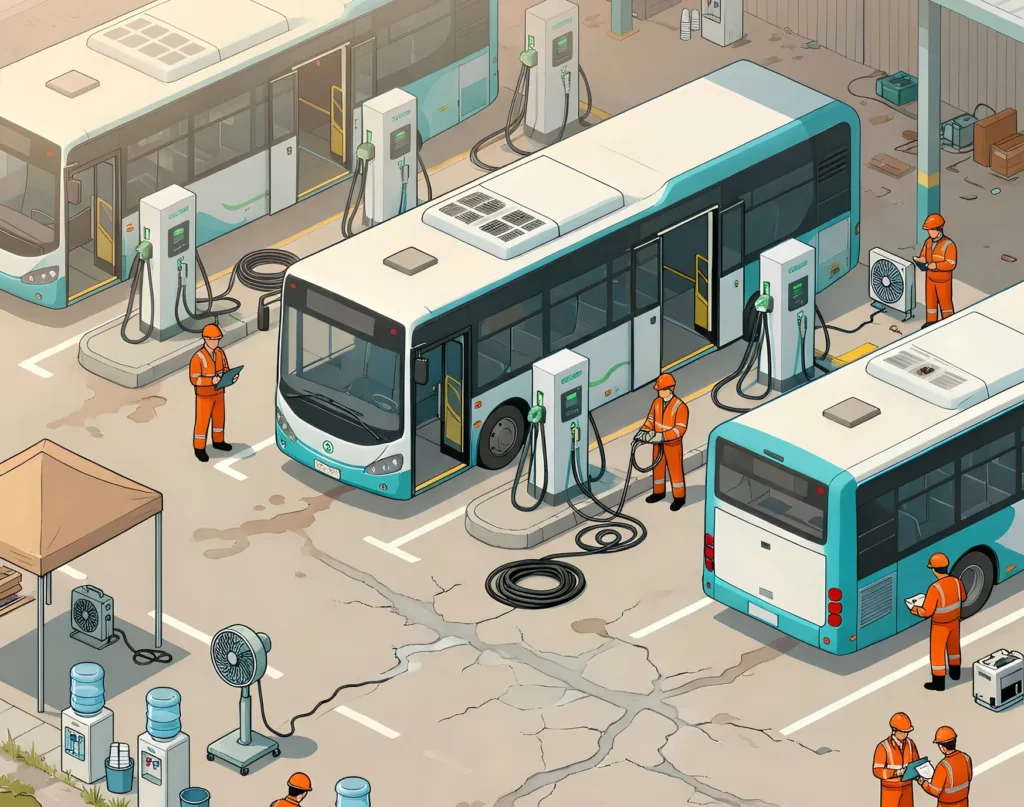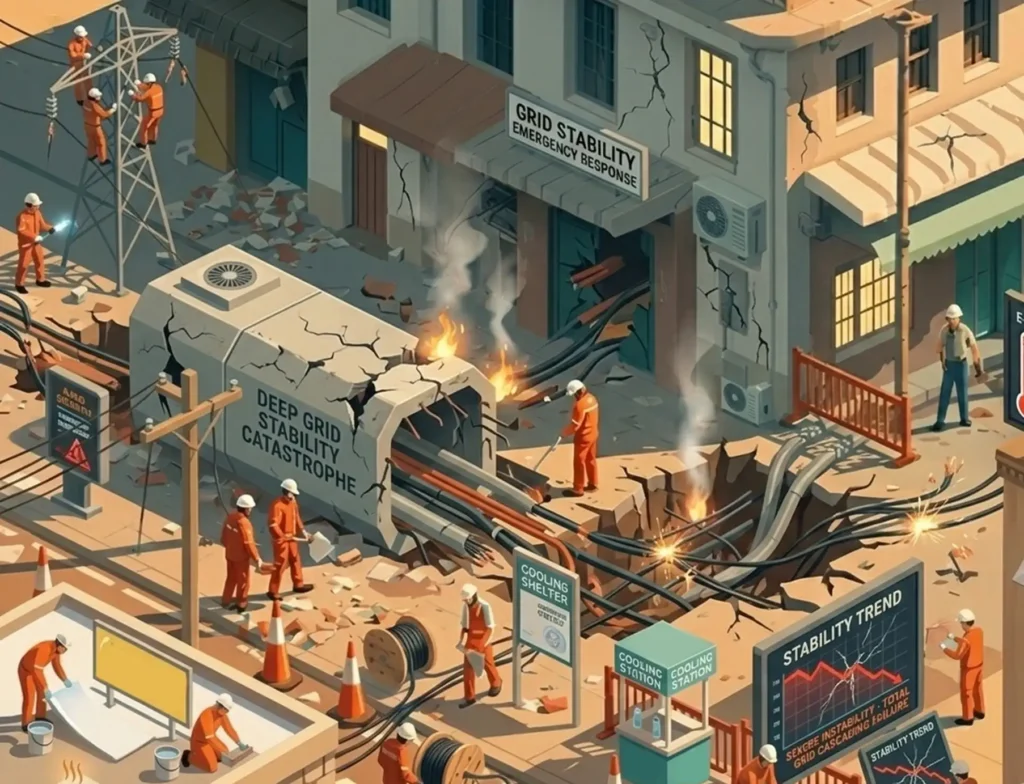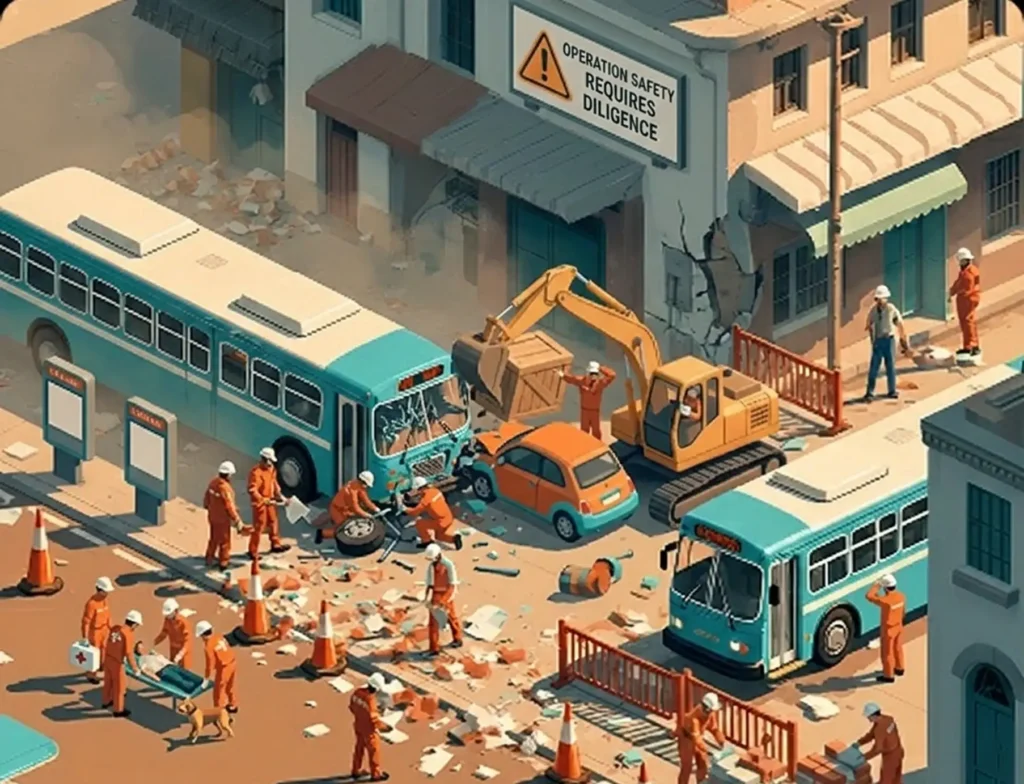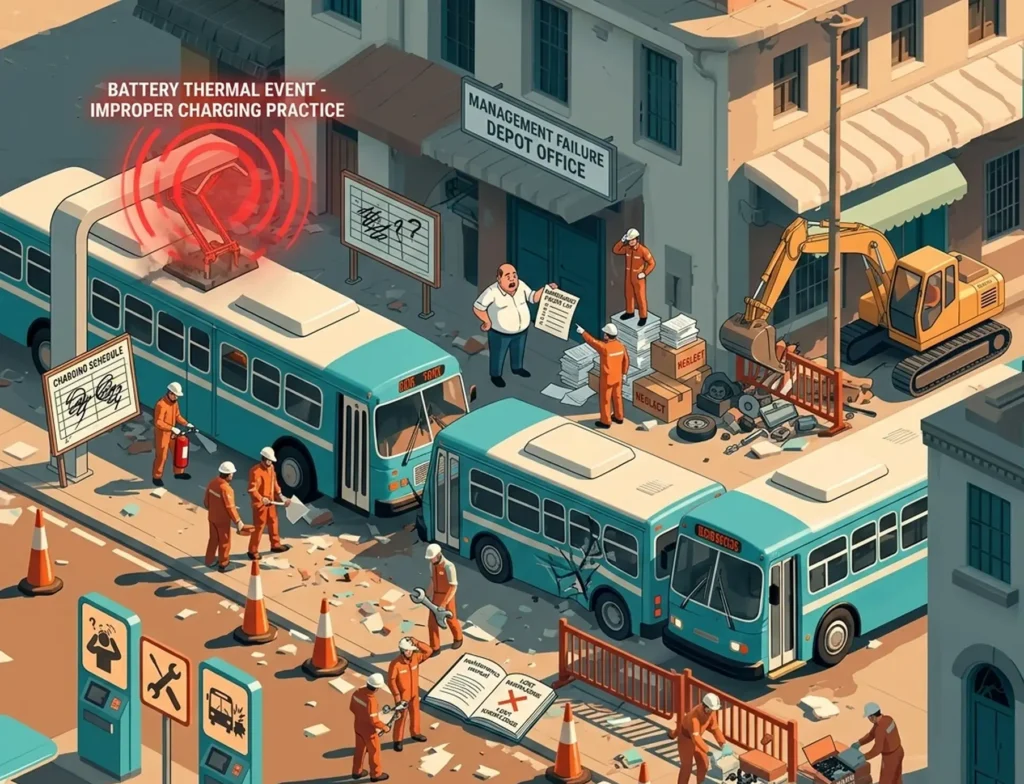


Battery failure poses one of the highest-severity risks across the entire E-Bus Ecosystem (EBES), with cascading impacts on fleet, depots, charging infrastructure, and the operating environment. Key failure modes include overcharging, over-discharging, overheating, collisions, vibrations, and electrical abuse, which can trigger thermal runaway, fires, system shutdowns, and serious safety risks to passengers, staff, and other road users.
Explore the expendables sections to see detailed preventive, responsive and recovery measures for the Battery Failure and for each component (Fleet, Depot, Charging Infrastructure & Operating Environment).
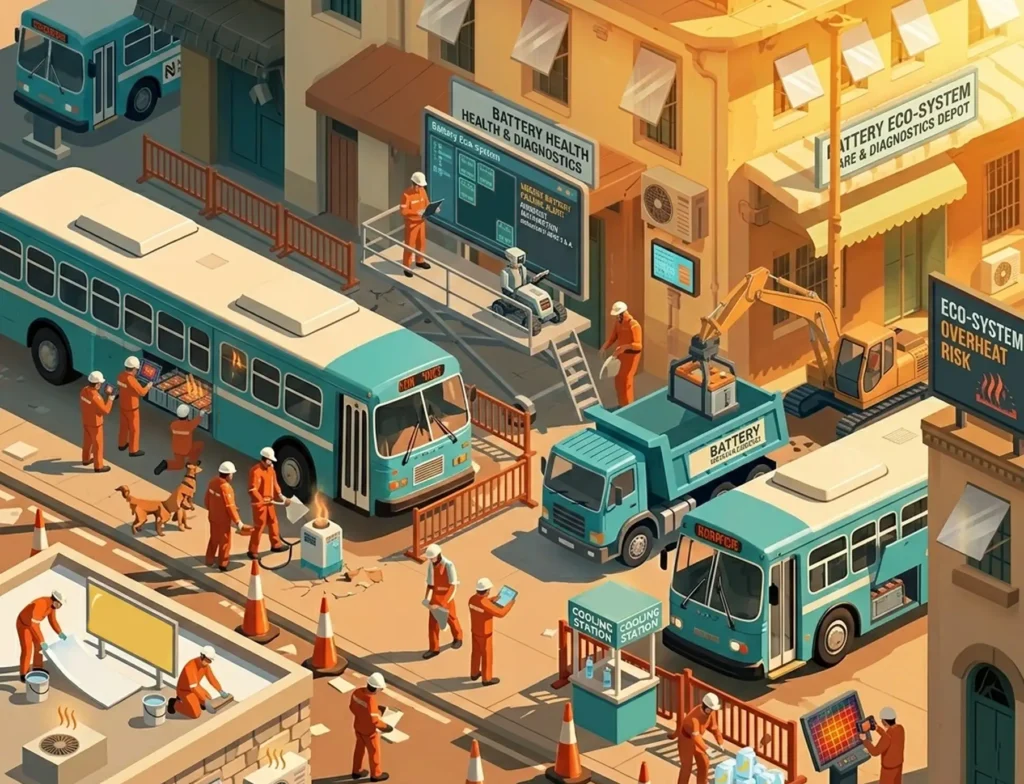
Battery Cell abuse leading to Bus fire/ thermal runaway
Installation of Battery Management System, to prevent overheating of batteries, detect short circuiting
Electrical abuse in the battery causing short circuits, overloads & over-discharges.
Usage of LiFPo (Lithium-Ion Phosphate) Batteries for better thermal stability
Automobile collision resulting mechanical abuse & lead to battery failure
Battery packs are housed in durable metal casings and positioned between chassis guard rails for maximum protection.
Battery Malfunction & Battery Failure
Maintaining battery temperature between 15°C and 35°C, crucial for maximizing battery performance, lifespan, and safety
Effect Battery Range & Efficiency
Maintain battery health by charging between 10–90% (avoid deep discharge & overcharging).
Response Protocols for fleet
Response Protocol on performance degradation of the fleet
Response Protocols for personnel safety and evacuation
PT- Procurement team
PT- Procurement Team
Operators and Depot Manager
Safety & Firefighting Team
Battery cell abuse causing thermal runaway and risk other depot infrastructure
Compartmentalization with fire protect barrier
A separate entry and exit for unidirectional flow
Operational Disruption within the depot
Isolation / Quarantine Zone
Installation of fire frightening
Adequate Ventilation
High Financial implication incase of repair and replacement cost/ insurance & liability cost
Prevent collision between e-buses and charging infrastructure,
Install floor-level stopping guides
Apply dust control treatment on floors or other surfaces to extend equipment life and reduce arc flash risk
Personal Safety Risks
Use of PPE kits
Emergency Isolation Protocols
Mock Drills
SOPs for Depot operations during heatwaves/ extreme temperatures
PT- Procurement Team
PT- Depot Manager, Driver
Fire Department
High-voltage Malfunction, Overheating and reduced lifespan and reduce charging reliability
Maintain dual/distributed power feeds from DISCOMs to manage incidents of power failures.
Charging personnel Safety risk
– Usage of PPE Kits & SCBA equipment
– Emergency Shutdown Protocols
Fire/Short Circuit Risk
Use flame-retardant cables/connectors. Conduct regular cable stress tests. Ensure availability of fire suppression systems at charging points
Install early detection system near the charging stations
5-10 mins cooling period between charging sessions
Unstable Power Supply During Peak Load
Coordinate charging schedules with discom. Install energy storage or backup supply systems
Response Protocols for thermal event caused by short-circuit in EVSE
Response Protocols while evacuating
Important EVSE equipment’s
Personnel Safety
Charging Operator
DISCOM, Planning team
Safety Team & Firefighting Team
Battery Cell abuse leading to Bus fire/ thermal runaway
Designated safe Zones along routes
Directory of nearby fire stations
Installation of Battery Management System, to prevent overheating of batteries, detect short circuiting
Automobile collision resulting mechanical abuse
Battery packs are housed in durable metal casings and positioned between chassis guard rails for maximum protection.
Passenger Safety Risk
Usage of PPE Kits & SCBA security
Emergency Isolation protocols
Safe Evacuation Plan
Response Protocols to thermal events within traction battery system
Response Protocols on onboard fire safety compromised
Planning and Procurement Team
Planning and Procurement Team
Driver and Safety Team